Jul 23, 2026
Cyclosporiasis: What you Need to Know
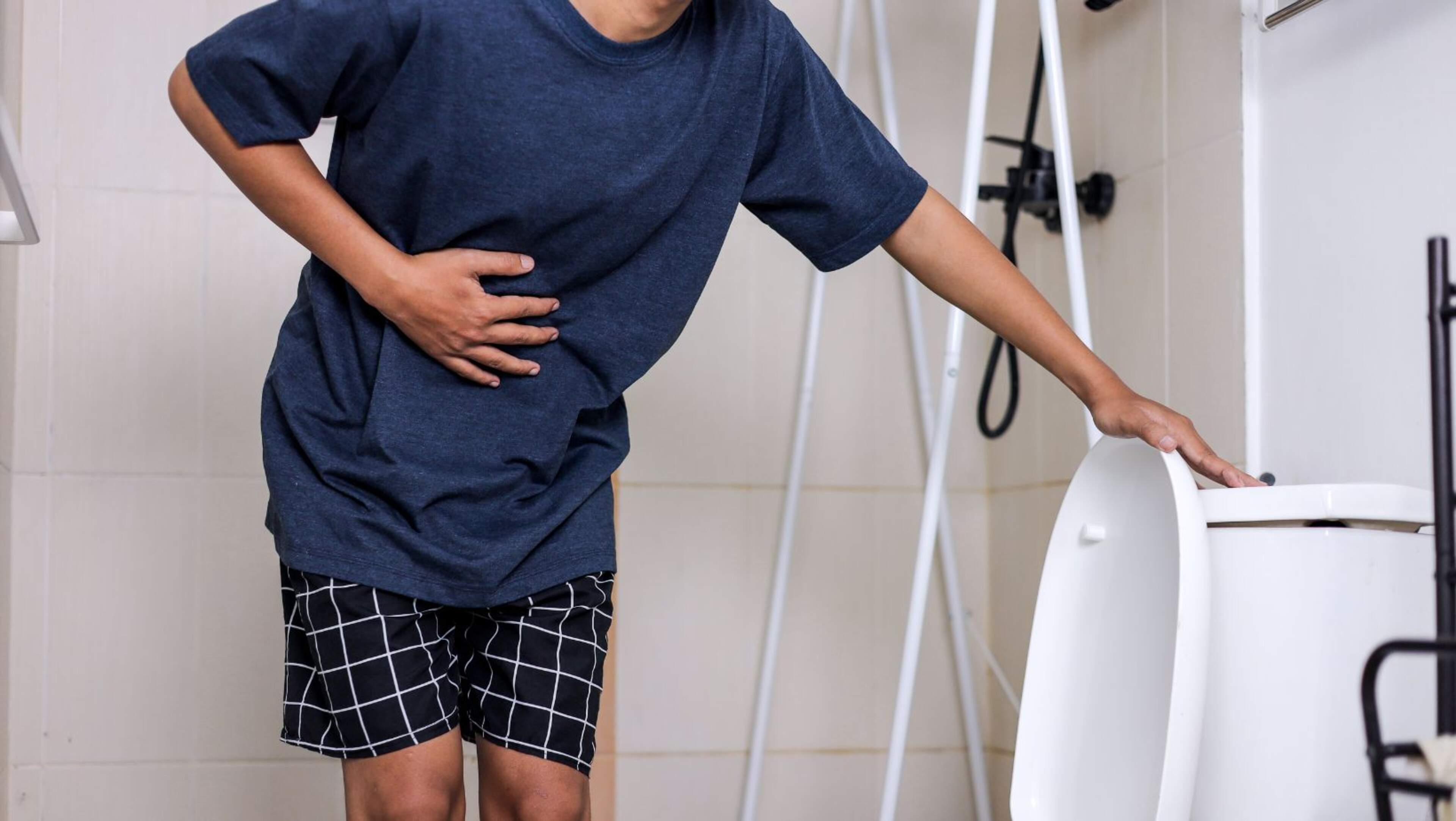
Inspired Health Group is monitoring the current Cyclosporiasis outbreak happening across the United States. If patients believe they may be symptomatic of Cyclosporiasis, they should call us for further direction. Learn more about Cyclosporiasis and the current outbreak.
Surveillance of Cyclosporiasis:
As of July 30, 2026, the Centers for Disease Control and Prevention (CDC) have shared the following key points:
- Since May 1, 2026, CDC has received reports of 6,707 laboratory-confirmed domestic cases of cyclosporiasis.
- CDC is aware of more than 11,500 additional cases that are not laboratory confirmed or require further investigation and analysis, such as ruling out international travel. Many of the additional cases have been reported by Michigan and Ohio.
- CDC's surveillance updates do not include probable cases. State data may include probable and confirmed cases, resulting in higher case counts than what CDC reports. CDC is working closely with states to update numbers as additional cases are confirmed.
- CDC is publishing weekly surveillance data updates in 2026 due to the increase in cases in multiple states compared to the same period in 2025.
- CDC is investigating multiple clusters of Cyclospora cases, including one multistate outbreak affecting 9 states linked to iceberg lettuce.
Learn more about the CDC's current monitoring of Cyclospora
Recall Alert:
On July 17, 2026, Taylor Farms recalled iceberg lettuce sourced from central Mexico. The recall includes iceberg lettuce sold at retail stores and served in restaurants. It also includes other recalled products distributed to food service customers. A list of products is included in the recall notice.
The shredded iceberg product included in the recall was distributed June 29th thru July 16th in AL, AR, CT, FL, GA, IA, IL, IN, KS, KY, LA, MA, MD, MI, MO, MS, NC, NH, NJ, OH, OK, PA, SC, TN, TX, VA, and WI.
CDC, FDA, and public health officials in several states are investigating a multistate outbreak of Cyclospora infections linked to iceberg lettuce in 9 states. See more information on the multistate outbreak investigation.
Preventing Cyclosporiasis
Follow recall guidance
Stay up to date on food safety alerts. Do not eat recalled food. See the current recall notice.
Wash your hands
Wash hands with soap and water before and after handling or preparing raw fruits and vegetables.
Prepare foods properly
- Wash all fruits and vegetables thoroughly under running water before eating, cutting, or cooking.
- It is important to thoroughly wash produce even if it is labeled as pre-washed.
- Scrub firm fruits and vegetables, such as melons and cucumbers, with a clean produce brush.
- Cut away any damaged or bruised areas on fruits and vegetables before preparing and eating.
- Cooking can kill the parasite. Since washing alone cannot guarantee the parasite's removal, you can cook produce to a temperature of at least 158 °F (70°C).
Store produce safely
- Refrigerate cut, peeled, or cooked fruits and vegetables as soon as possible (within two hours).
Learn more from the CDC on how to prevent Cyclosporiasis
Signs & Symptoms of Cyclosporiasis:
People experience symptoms of cyclosporiasis about one week (ranging as soon as 2 days – 2 weeks or more) after consuming food or drinking water containing Cyclospora.
Some people who are infected, particularly people from areas where cyclosporiasis is endemic (regularly occurring within an area or region), may not have any symptoms.
Without treatment, symptoms can last anywhere from a few days to a month or longer. Some symptoms, such as diarrhea, may go away and then return. Other symptoms, such as fatigue, may continue after the gastrointestinal symptoms have stopped.
Common Symptoms:
- Watery diarrhea
- Loss of appetite
- Weight loss
- Cramping
- Bloating
- Increased gas
- Nausea
- Fatigue
Less Common Symptoms:
- Vomiting
- Body aches
- Headache
- Low-grade fever
- Other flu-like symptoms
If patients believe they may be symptomatic of Cyclosporiasis, they should call us for further direction.
Learn more about the signs and symptoms from the CDC
Contact your Care Team
If you have non-urgent questions or concerns about Cyclosporiasis, contact your team in your patient portal.
If patients believe they may be symptomatic of Cyclosporiasis, they should call us for further direction.